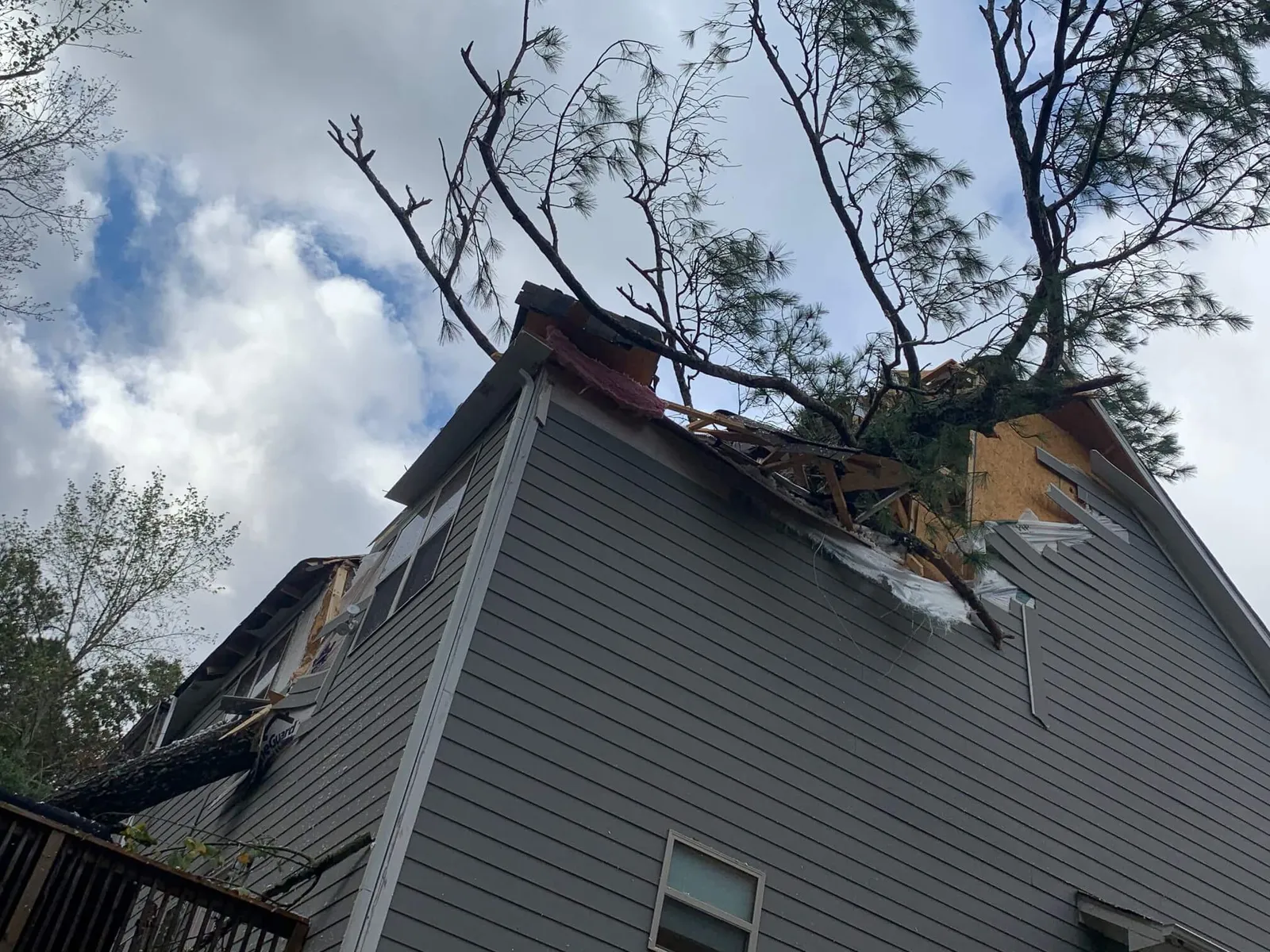
Trees add beauty, shade, and environmental value to any property. However, there are times when trees can become hazardous due to disease, structural damage, or aging. When a tree begins to pose a risk to your property or safety, professional removal may be the best option.
Dead or Dying Trees
Dead trees become unstable over time and can easily fall during storms or strong winds. Common signs of a dying tree include large sections of missing bark, dry brittle branches, little to no leaf growth during the growing season, and visible fungus or mushrooms around the trunk or roots.
Tree Leaning or Structural Instability
A tree that suddenly begins to lean may indicate serious structural problems. In Monroe, heavy storms and saturated soil conditions can weaken root systems, making leaning trees more likely to fall.
Large Cracks or Splits in the Trunk
Deep cracks or splits often develop due to severe weather conditions, rapid tree growth, internal decay, or lightning strikes. If they extend deep into the trunk or major branches, the tree may no longer be structurally sound.
Storm-Damaged Trees
Broken limbs, partially uprooted trees, or severe trunk damage may require immediate attention. In some cases damaged trees can be saved with pruning or structural support; if damage is extensive, removal is the safest option.
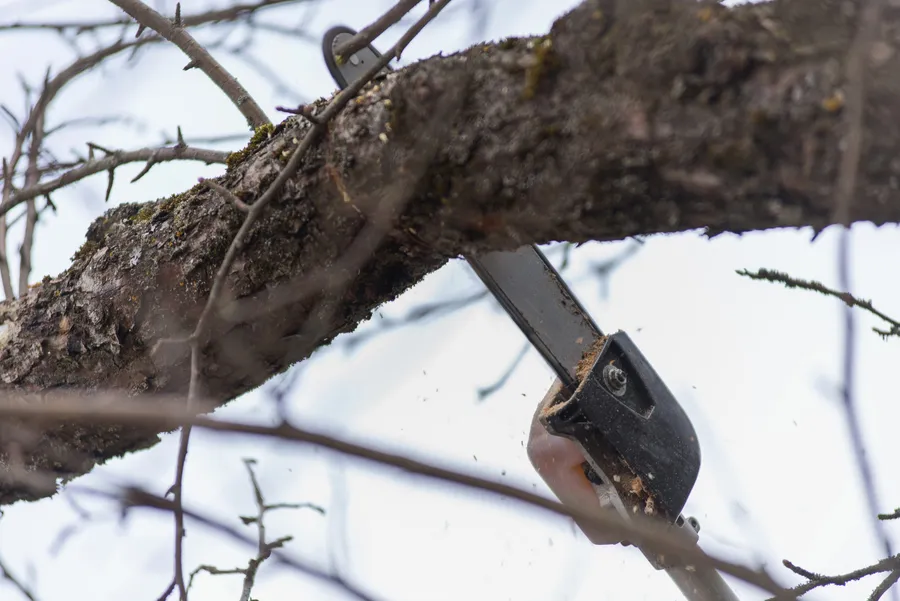
Trees Growing Too Close to Structures
As trees mature, branches scraping or damaging roofs, roots affecting foundations or underground utilities, limbs hanging over power lines, and blocked driveways or walkways can create serious safety concerns.
Root Damage or Soil Issues
Soil heaving around the base, exposed roots, fungal growth near the base, and a sudden lean or shift in position are warning signs that root damage may be weakening the tree.
Severe Pest Infestations or Disease
Wood-boring insects, fungal infections, rotting trunk or branches, and leaf discoloration with early leaf drop can spread quickly and damage surrounding vegetation — removal may be necessary to protect the rest of the landscape.
Overcrowded or Overgrown Trees
Trees growing too close together compete for sunlight, nutrients, and water. Selectively removing certain trees improves air circulation, sunlight exposure, and overall landscape balance.
When to Call a Professional Tree Removal Service
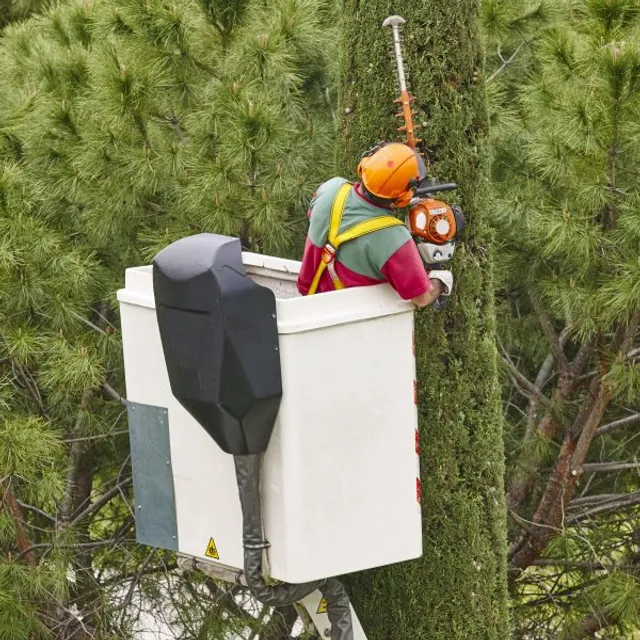
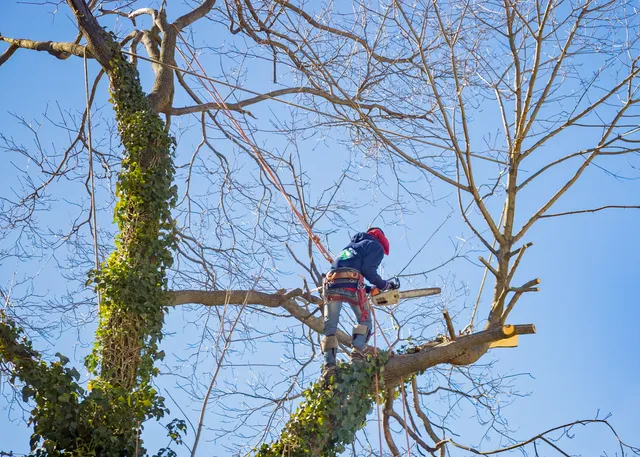
Tree removal is a complex and potentially dangerous task that should always be handled by trained professionals. Specialized equipment and proper safety procedures are necessary to remove trees without damaging nearby structures or landscaping.
Professional tree services can:
- Assess tree health and structural stability
- Identify potential safety risks
- Safely remove hazardous trees
- Clear branches, debris, and remaining wood
- Improve the overall safety of your property
Hiring experienced professionals ensures the job is completed safely and efficiently.
Protect Your Property with Tree Removal Services in Monroe
Recognizing the warning signs of a hazardous tree is the first step in protecting your property. If you notice any of these signs, professional tree removal services in Monroe from Nature Tamer can help evaluate the situation and provide the safest solution.